RICHARD STRAUSS’ OPERAS AT THE FESTIVAL D’AIX-EN-PROVENCE
Share
This summer, the Festival d'Aix-en-Provence presents one of Richard Strauss’ most ambitious operas: Die Frau ohne Schatten (The Woman Without a Shadow) premiered in 1919. After Salome staged by Andrea Breth in 2022, and Elektra, in Patrice Chéreau’s production in 2013, the 2026 production of Die Frau ohne Schatten promises to be a major event: the young Finnish conductor Klaus Mäkelä will be making his debut in the orchestra pit with the Orchestre de Paris accompanied by an outstanding cast of singers to take on this demanding score: Nina Stemme, Tamara Wilson and Michael Spyres among them; with Barrie Kosky staging the production, bringing to the opera stage a profoundly humanistic vision of this masterpiece, often regarded as Strauss’ last Romantic opera. From the emergence of Strauss’ neo-classical works in the Festival’s programming in the 1960s to the presentation of his most modern operas since the 2010s, the Festival has maintained a long-standing relationship with the work of Richard Strauss, reaffirming its vocation to bring the most ambitious scores of the operatic repertoire to the theatre.
From Mozart to Strauss: Ariadne auf Naxos (1963)
Long associated with a largely Mozartian repertoire and with a distinctly Mediterranean aesthetic, the Festival d’Aix-en-Provence was slow to open its doors to other Germanic music. As late as 1963, such works remained very much in the minority in the Festival’s programmes. When the organisers introduced Ariadne auf Naxos, they were careful to present it above all as a work of classical inspiration, seemingly destined to find its place within the Aix-en-Provence tradition. As one contemporary text noted when the opera entered the repertoire in 1963:
One might well have feared that such a work [Ariadne auf Naxos], inspired by the great Romantic tradition from beyond the Rhine, would seem out of place in Provence. Quite the contrary: here it finds a setting that corresponds perfectly to the attraction Richard Strauss always felt for Latin shores.1
The construction of a specific Aix identity built around Mozart therefore includes Ariadne auf Naxos, whose explicitly neo-Mozartian character fits the Festival perfectly. French music critic Claude Rostand (1912-1970) made the point even more forcefully in Les Cahiers du Festival:
Go and hear it all the more readily since, by virtue of its decorative setting and of the overwhelming majority of works that have formed its repertory in the past, the Théâtre de l’Archevêché is above all a natural home for classical opera. It was therefore destined one day to see Ariadne auf Naxos performed upon its stage, with Ariadne on her rock on Naxos, Bacchus, the Composer, Harlequin, Zerbinetta, Naiad and Dryad, together with all the charming and frivolous figures who proclaim their lines or cavort about in this work, sparkling with baroque fantasy and solemnity. In it, in the twentieth century, Richard Strauss offers a delicious riposte to the opera buffa and opera seria of earlier times, blending the two like a gala dessert; an elaborate, final sweet course centrepiece in which, like a master confectioner, he juggles with the most delectable ingredients.2
Régine Crespin is singing the title role of Ariadne auf Naxos at the Festival d'Aix
The production was also a resounding success in the Festival’s early years, carried by exceptional voices and Pierre Clayette’s sumptuous set designs, which alternate between the glow of a phantasmagorical theatre and the bluish gloom of Ariadne’s cave. In 1963, Teresa Stich-Randall portrayed the melancholic Ariadne, surrounded by a trio of nymphs who attracted particular attention (Lia Montoya, Sonja Drasler and Jane Berbié, discovered in 1958 by Gabriel Dussurget). She shared the stage with Gianna d’Angelo, then at the height of her career, in the role of Zerbinetta, one of the most demanding roles in the coloratura soprano repertoire. When the production was revived in 1966, Régine Crespin succeeded Teresa Stich-Randall as Ariane. The mezzo-soprano Tatiana Troyanos triumphed in the role of the Composer, whilst Mady Mesplé as Zerbinetta completed this distinguished cast.
A Straussian period (1985–1987)
A new approach to Strauss became discernible during the 1980s, influenced by Louis Erlo, who sought to develop thematic cycles over the course of successive festivals. For three years, the Festival thus lived through a veritable ‘Straussian period’: two seasons featuring Ariadne auf Naxos) in a production by Göran Järvefelt (1985–1986) and one season featuring Der Rosenkavalier, directed by Tobias Richter (1987).
Semyon Bychkov, a young Soviet conductor who had only just become naturalised as an American citizen, conducted at the helm of l'Orchestre Philharmonique de Radio France for these three productions. His lyrical conducting style signaled a new direction towards the post-Romantic era. The true star of this period is however, Jeanne Piland, a Strauss specialist, who portrayed at times a moving Composer (Ariadne auf Naxos) and at others a legendary Octavian (Der Rosenkavalier), a role for which she has long been regarded as the finest performer of her generation. At the production’s premiere, the mezzo-soprano performed alongside her fellow American Jessye Norman, helping to make the performance a major event through the bringing together of such great female operatic voices.
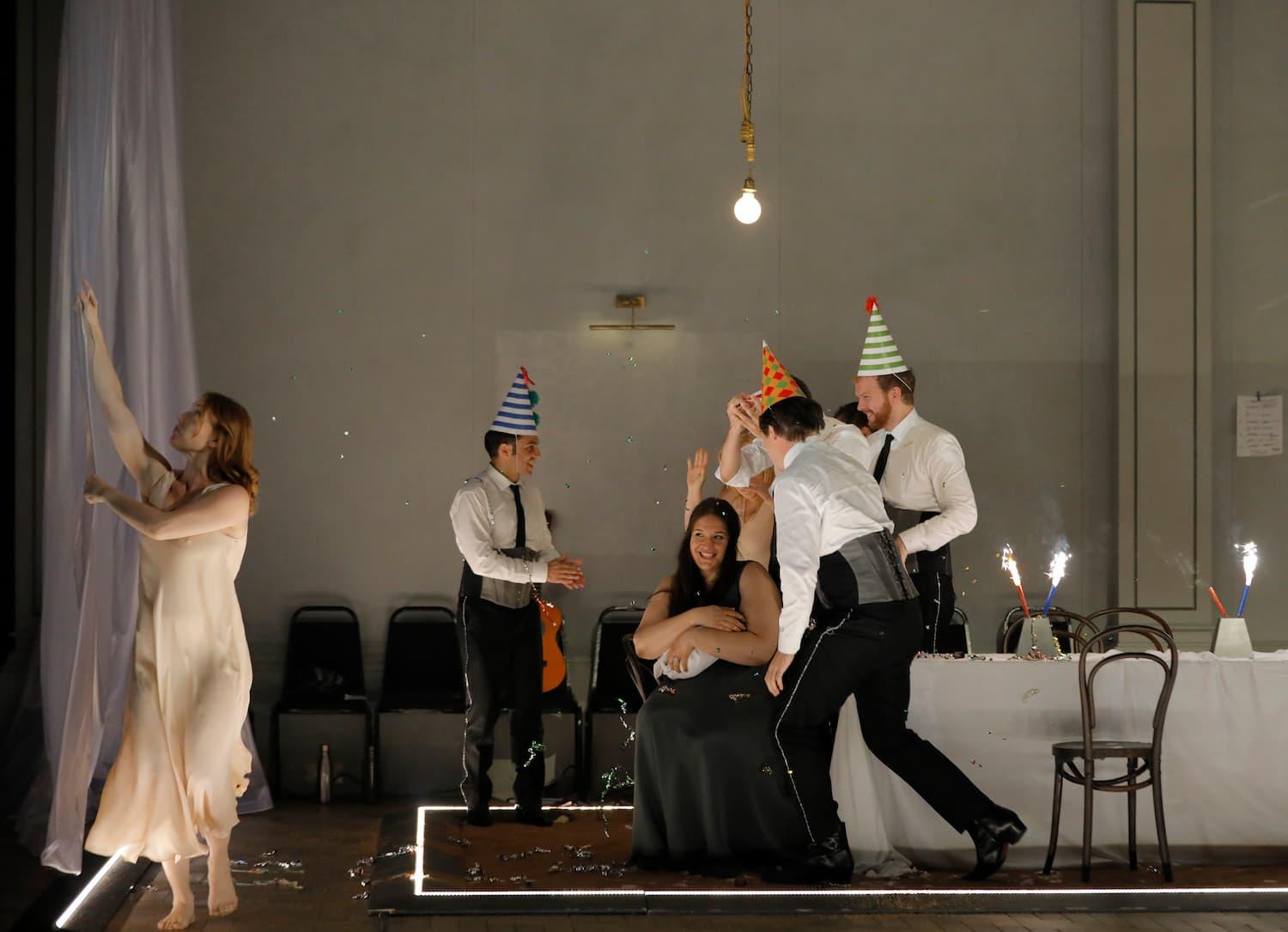
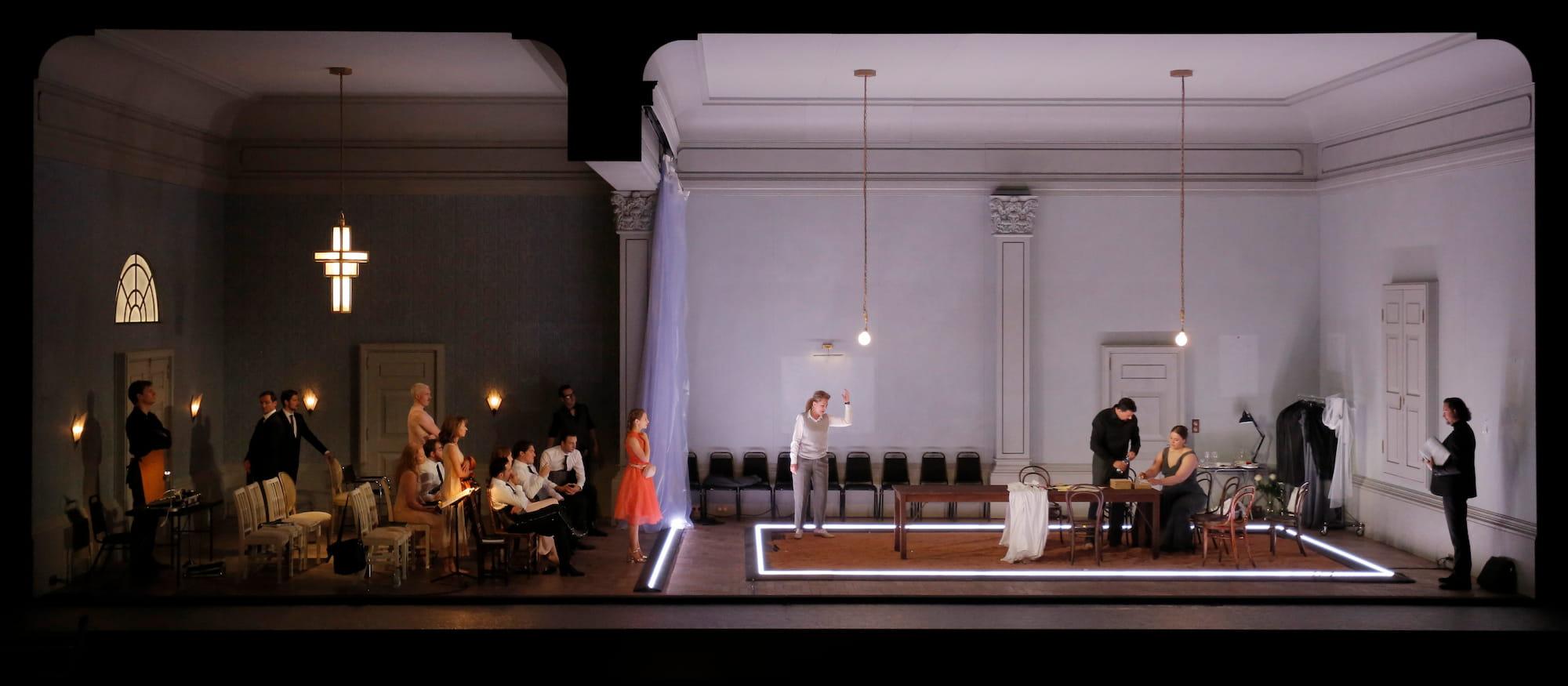
Thirty years later, Ariadne auf Naxos returned to the stage of the Théâtre de l’Archevêché in a production directed by Katie Mitchell (2018). The director in residency at the Festival between 2012 and 2018 delivers her version of Strauss’s opera – following Written on Skin (2012), The House Taken Over (2013), Trauernacht (2014), Alcina (2015) and Pelléas et Mélisande (2016). She emphasised the tragedy of Ariadne’s loneliness by dividing the stage into two, thus leaving the comedy of Zerbinetta’s amorous adventures in a world of its own. The international cast was yet again of a remarkably high level: Sabine Devieilhe making her debut as Zerbinetta, Angela Brower portraying an incredible Composer, whilst Lise Davidsen delivered a breathtaking Ariadne, revealing to the audience a soprano of outstanding stature.
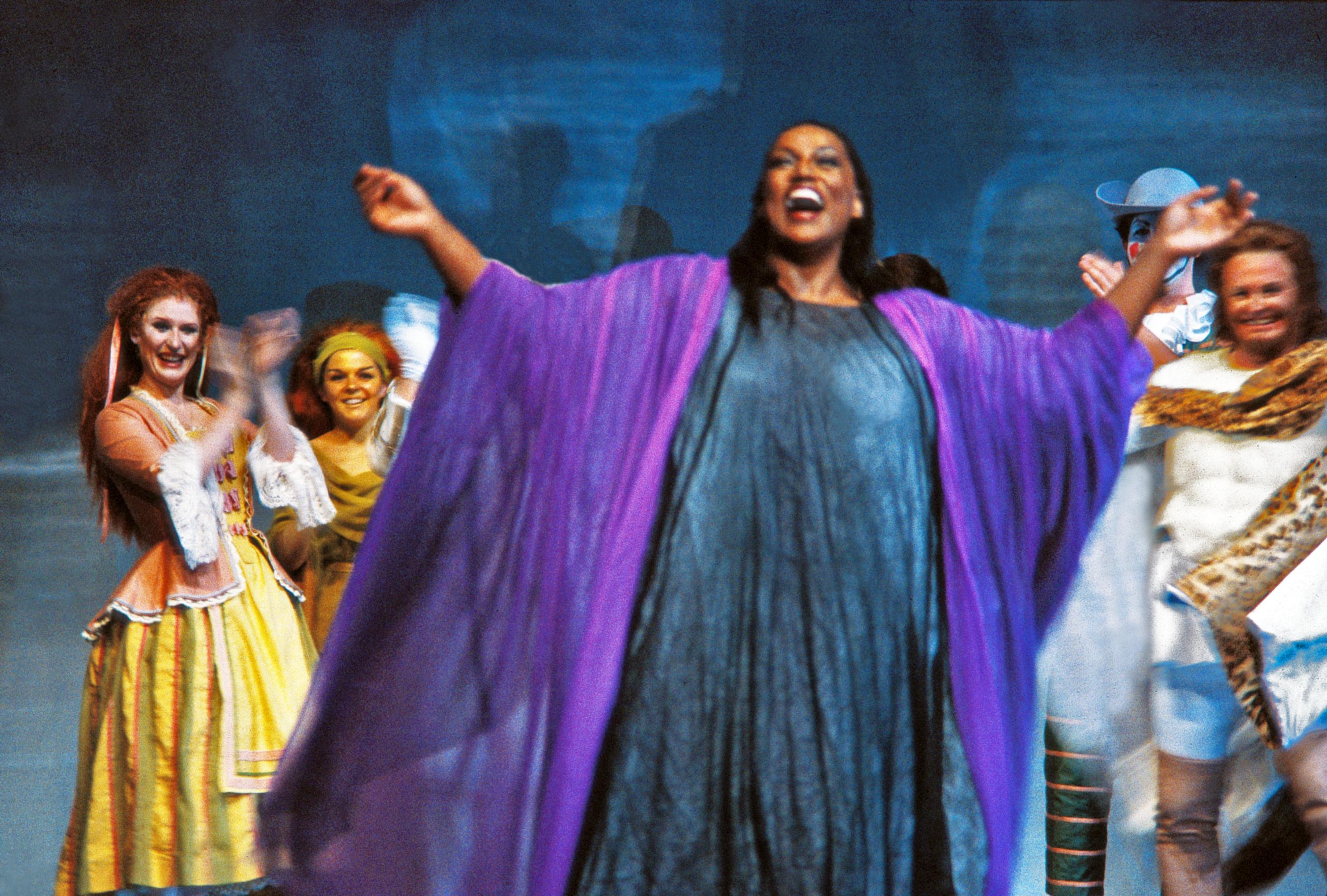
Jessye Norman offering her final salute at the close of Ariadne auf Naxos on the stage of the Théâtre de l’Archevêché, Festival 1986 © Henry Ely
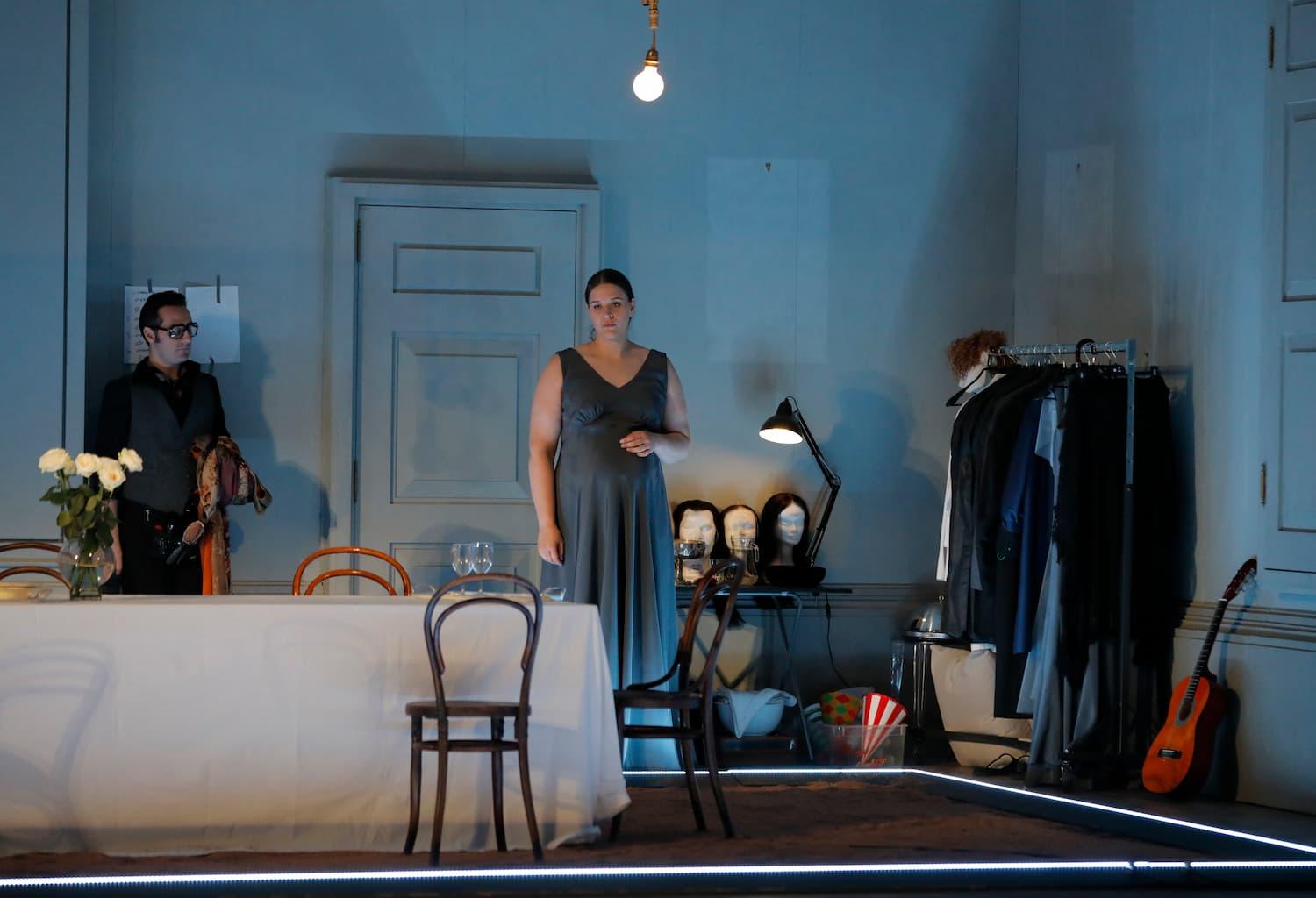
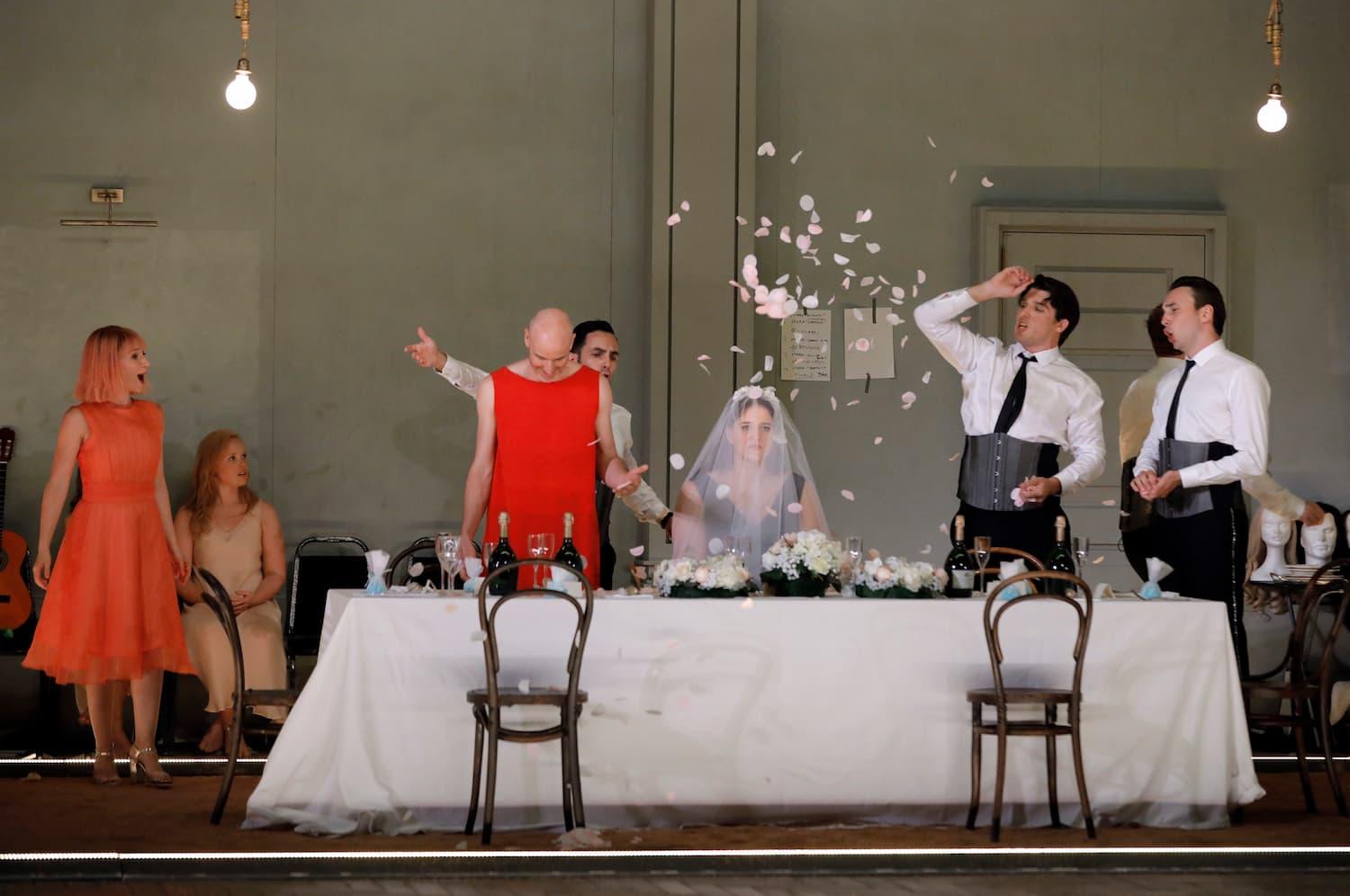
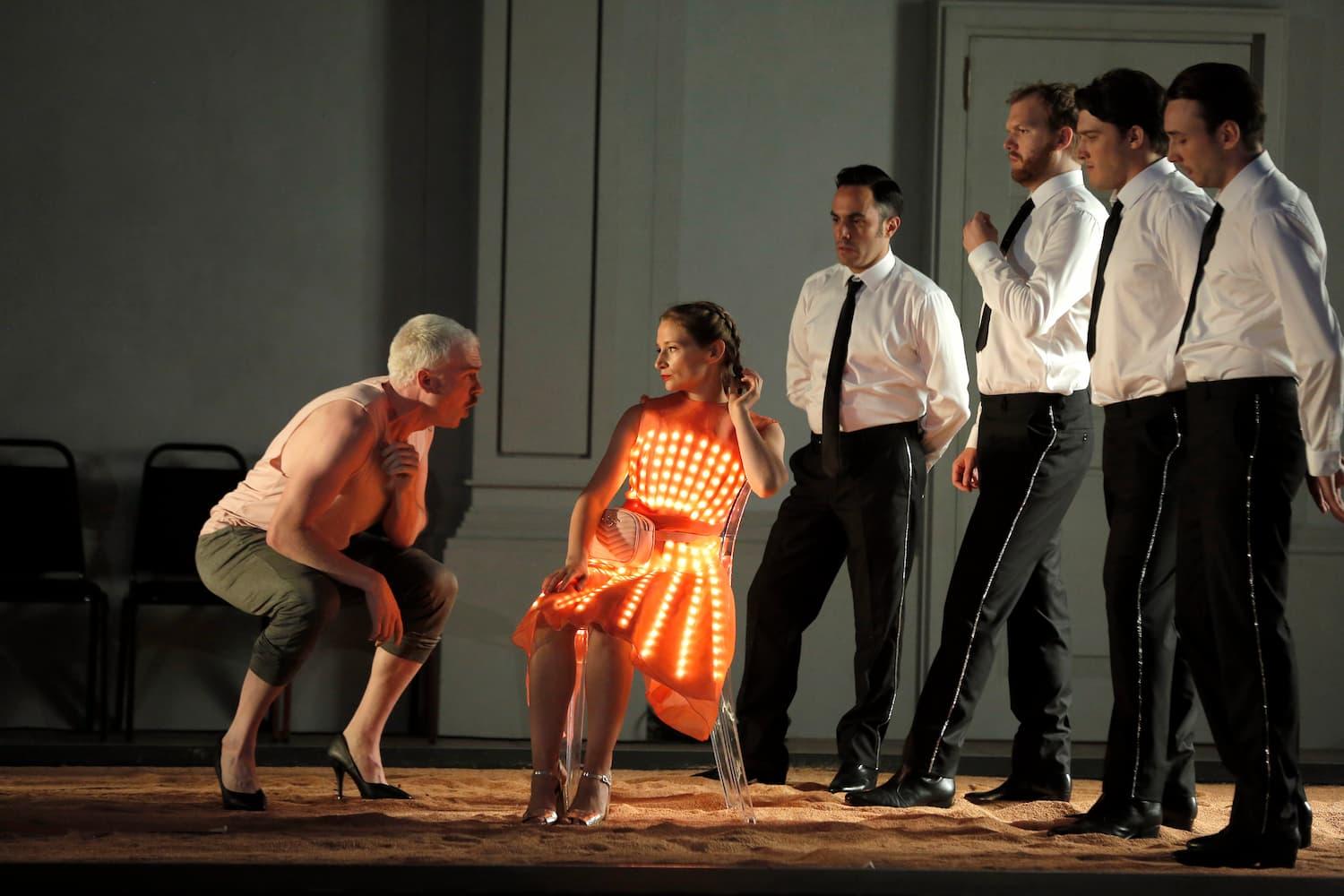
Straussian rarities in the XXIst century
It was at the turn of the Twenty first century that Aix fully opened up to the most ambitious aspects of Strauss’ catalogue – with the consecutive programming of Elektra (2013), of Salome (2022) and of Die Frau ohne Schatten (2026), accompanied on each occasion, by the Orchestre de Paris. All three of these productions distinguishes itself as a major musical and theatrical event.
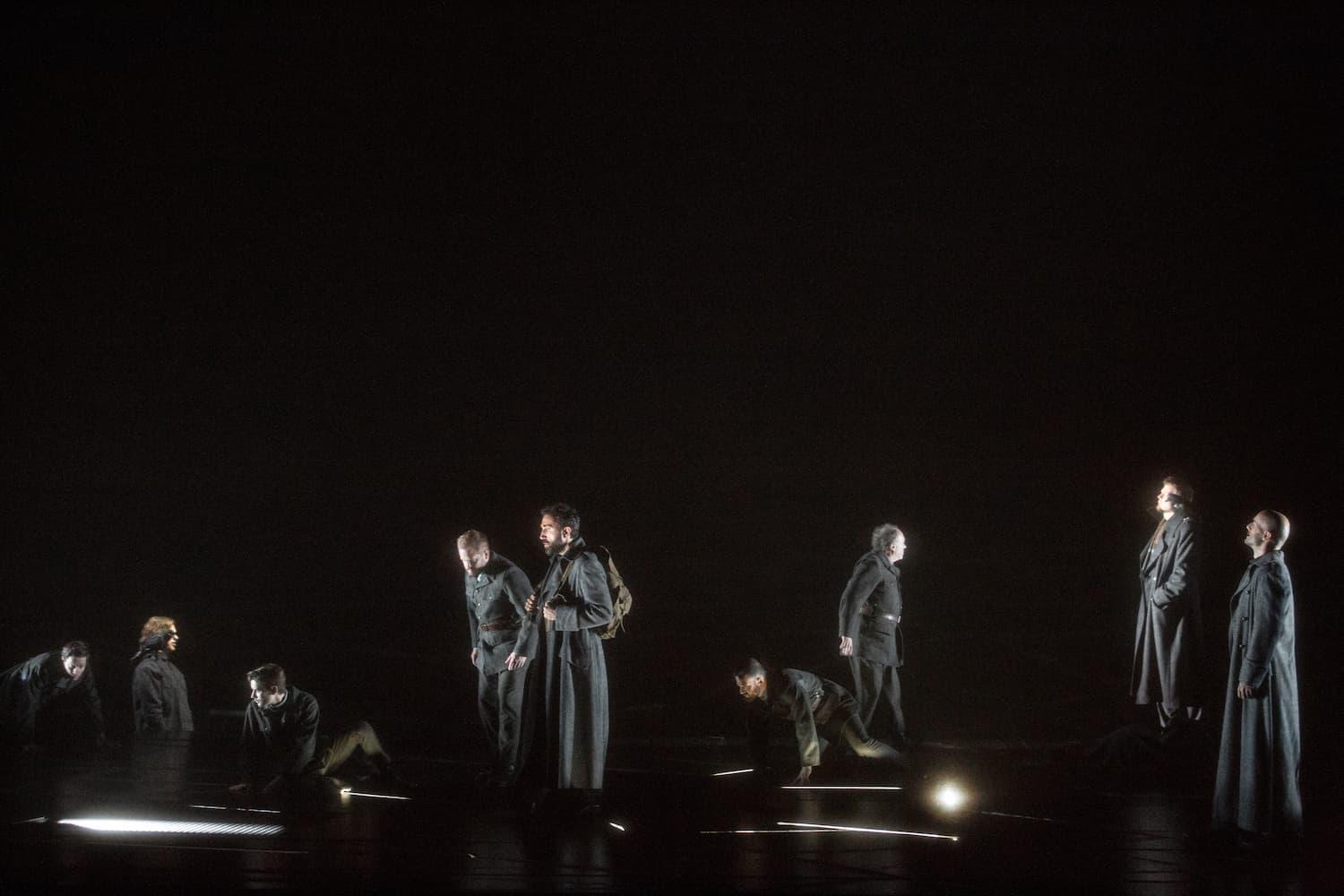
In hindsight, Elektra stands as Patrice Chéreau’s ‘operatic testament3’: he passed away three months after the production’s premiere, having made his return to opera in 2005 with Così fan tutte, before reuniting with Pierre Boulez, his Bayreuth Der Ring des Libelungun partner – for From the House of the Dead in 2007. Against the backdrop of Richard Peduzzi’s monumentally understated set, Patrice Chéreau explores the cruelty of an ancient yet deeply human tragedy: Waltraud Meier (Clytemnestra), consumed by remorse, and Evelyn Herlitzius (Elektra) deliver a performance of extraordinary intensity. Under the guidance of Esa-Pekka Salonen conducting the Orchestre de Paris, the production was a triumph.
Excerpt from Elektra staged by Patrice Chéreau (2013 Festival d'Aix-en-Provence)
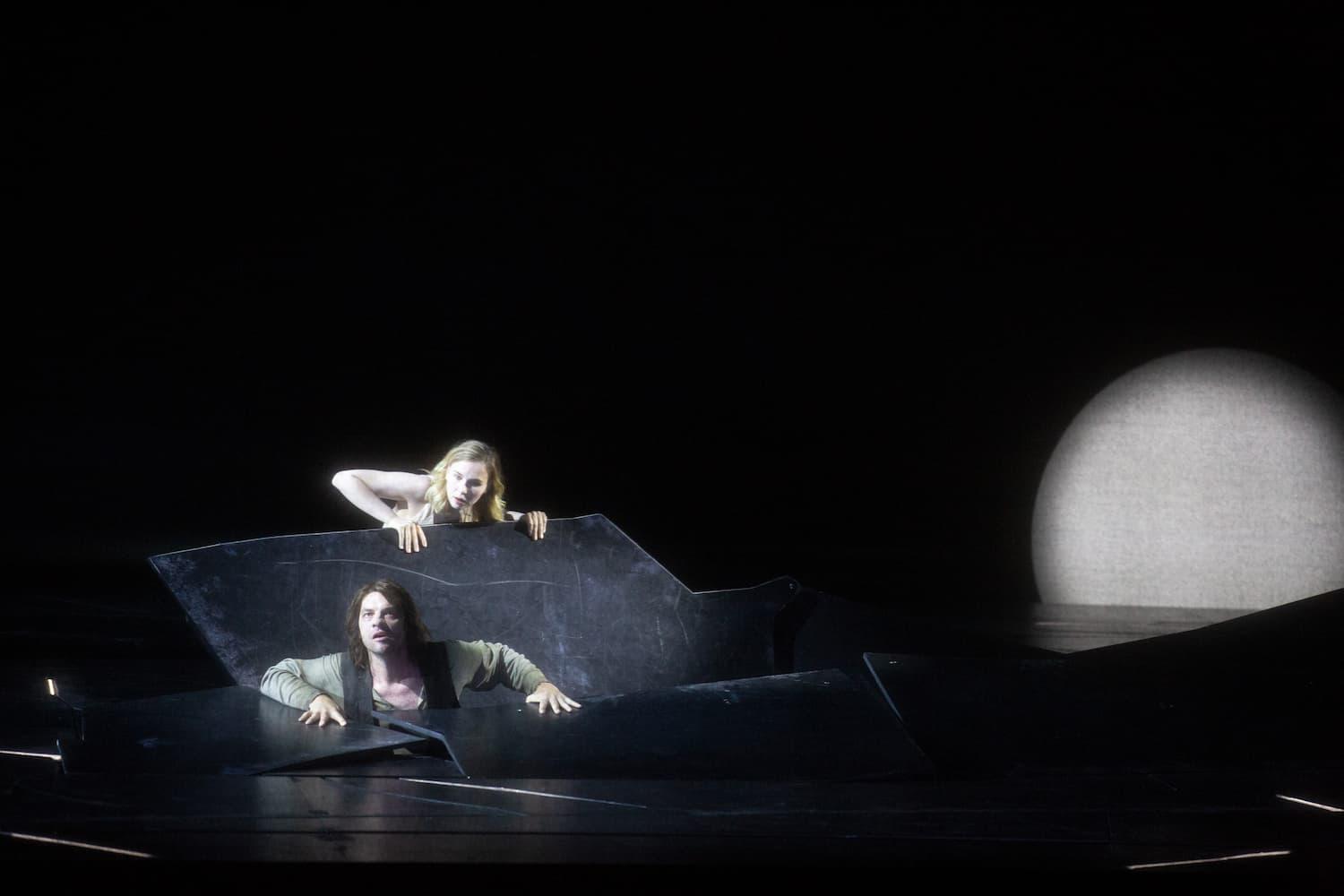
Ten years later, Pierre Audi returned to Strauss with l’Orchestre de Paris, further broadening the Festival’s repertoire to embrace the major works of the twentieth century. In 2022, the soprano Elsa Dreisig took on the title role in Salome at a strikingly young age, given the formidable demands of the part and in accordance with the wish of the German stage director Andrea Breth. She resolutely breaks with the orientalism traditionally associated with productions of Salome: her dark staging unfolding in a sequence of tableaux, rich in post-Romantic pictorial allusions, before slipping into further visual enigmas and allowing the full force of Salome’s desire and destructive power to unfold. Conductor Ingo Metzmacher chose the revised Dresden version of the score, with its lighter orchestration, allowing the voice of a young girl to emerge as she discovers, all at once, her capacity for love, her power over her stepfather, and death itself: her innocence is devastating, the mark of a world in decay.
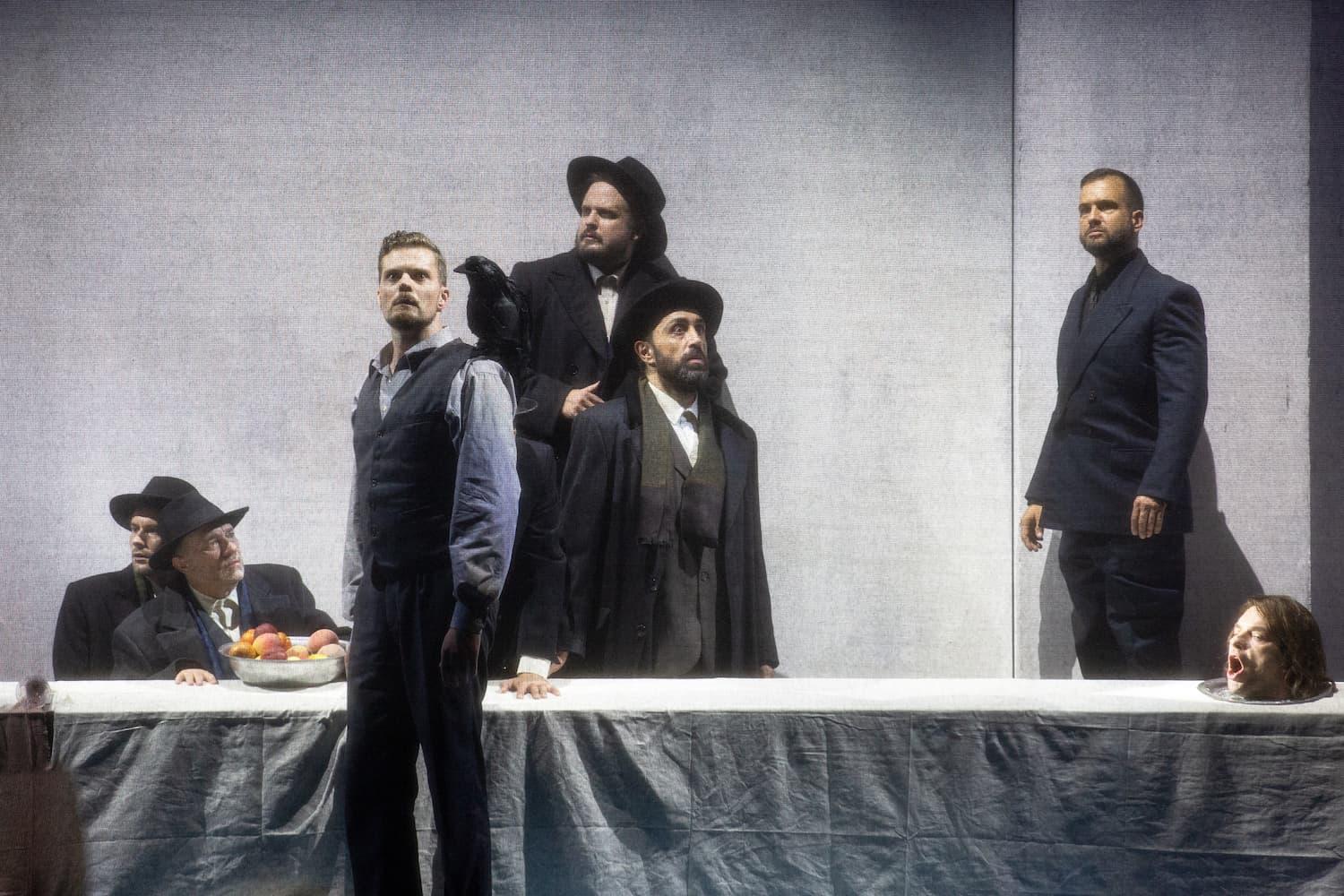
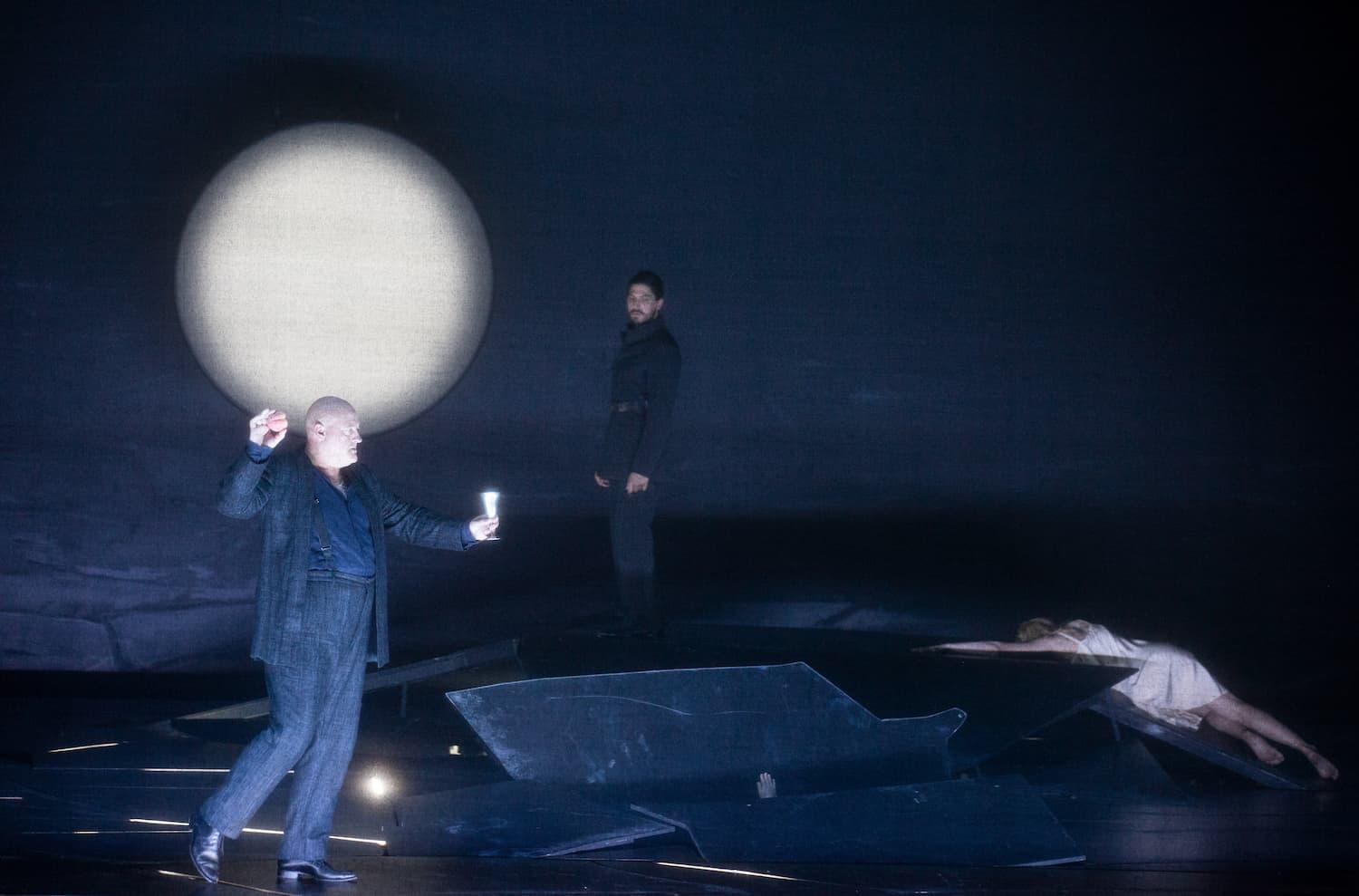
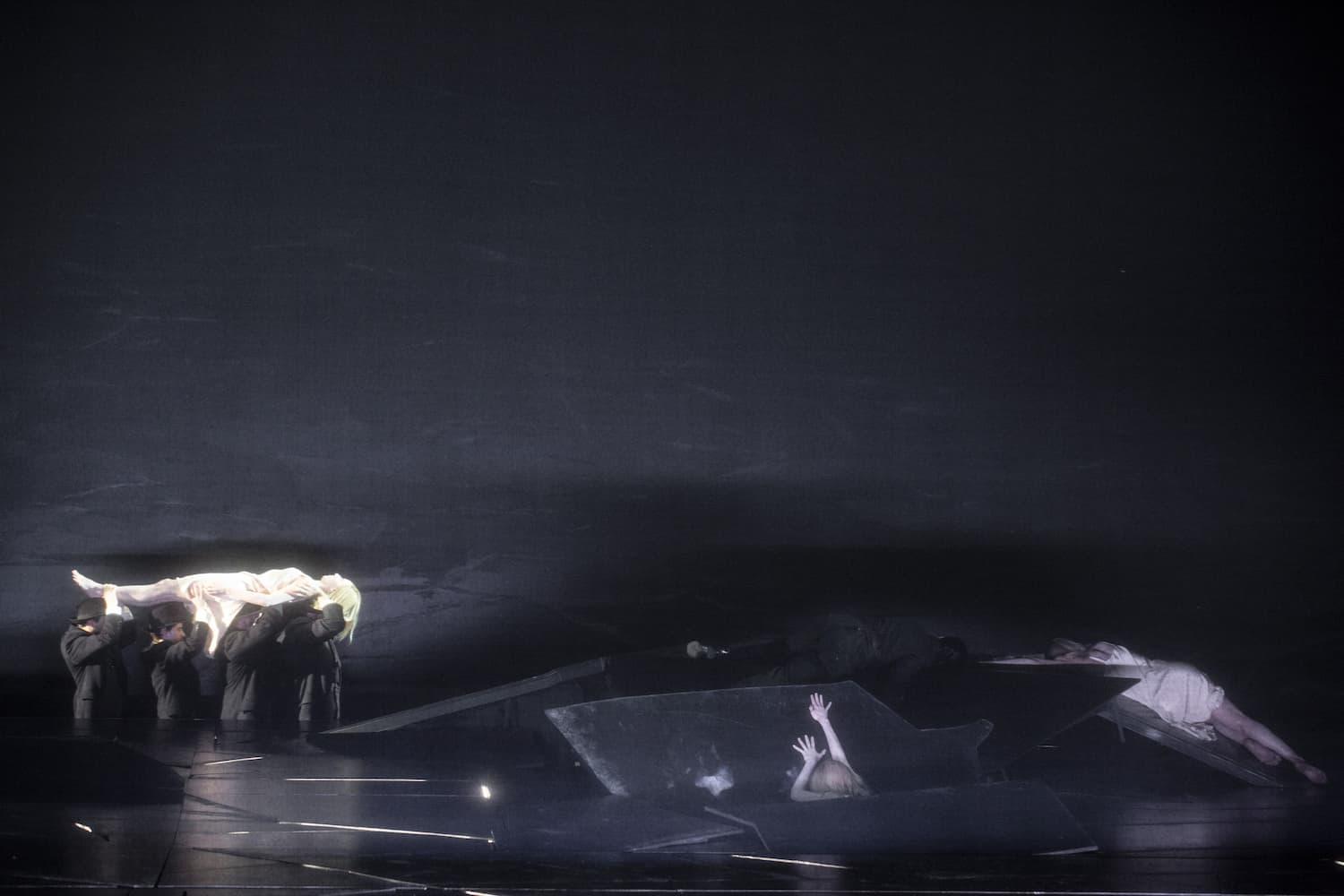
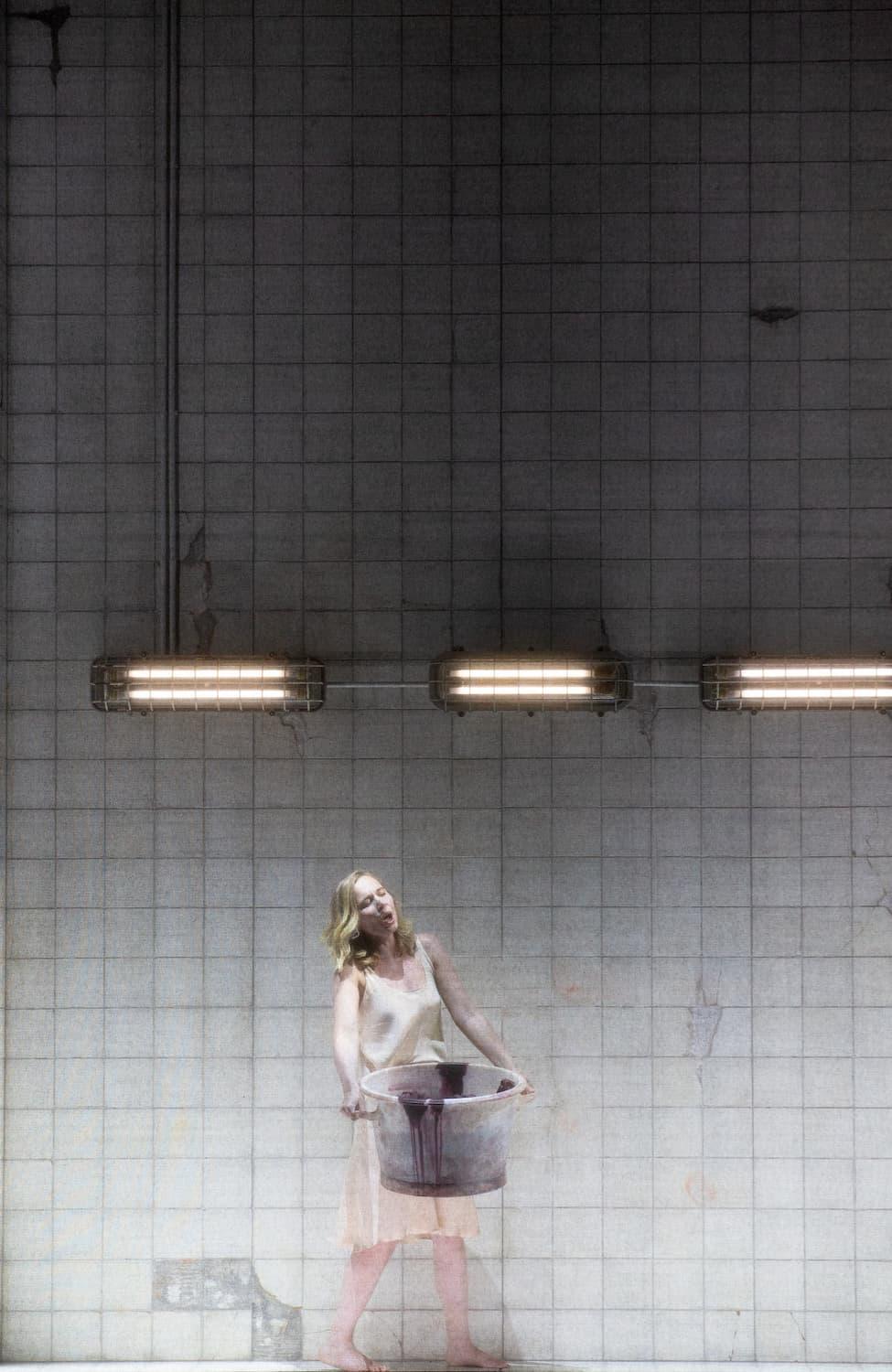
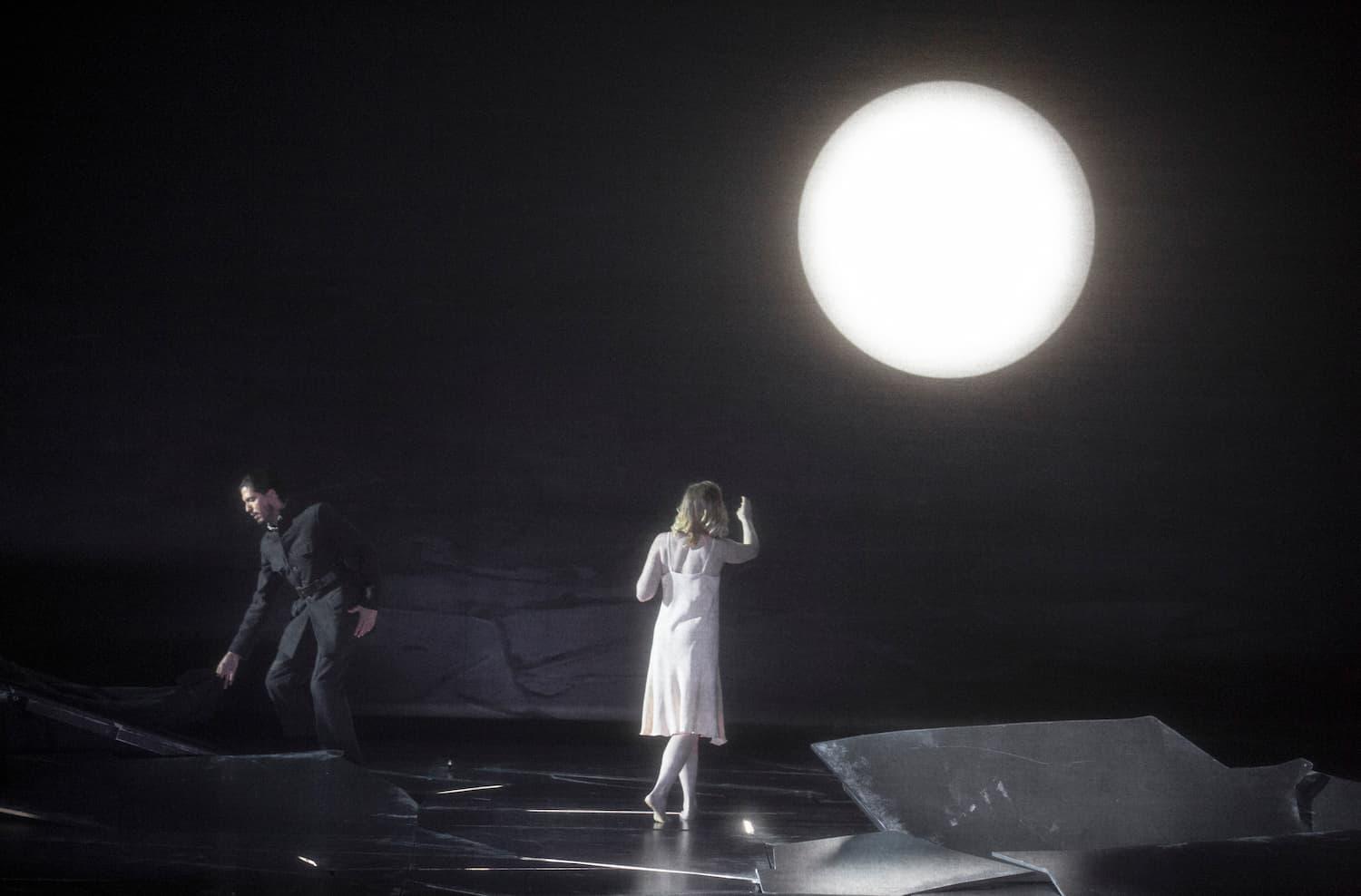
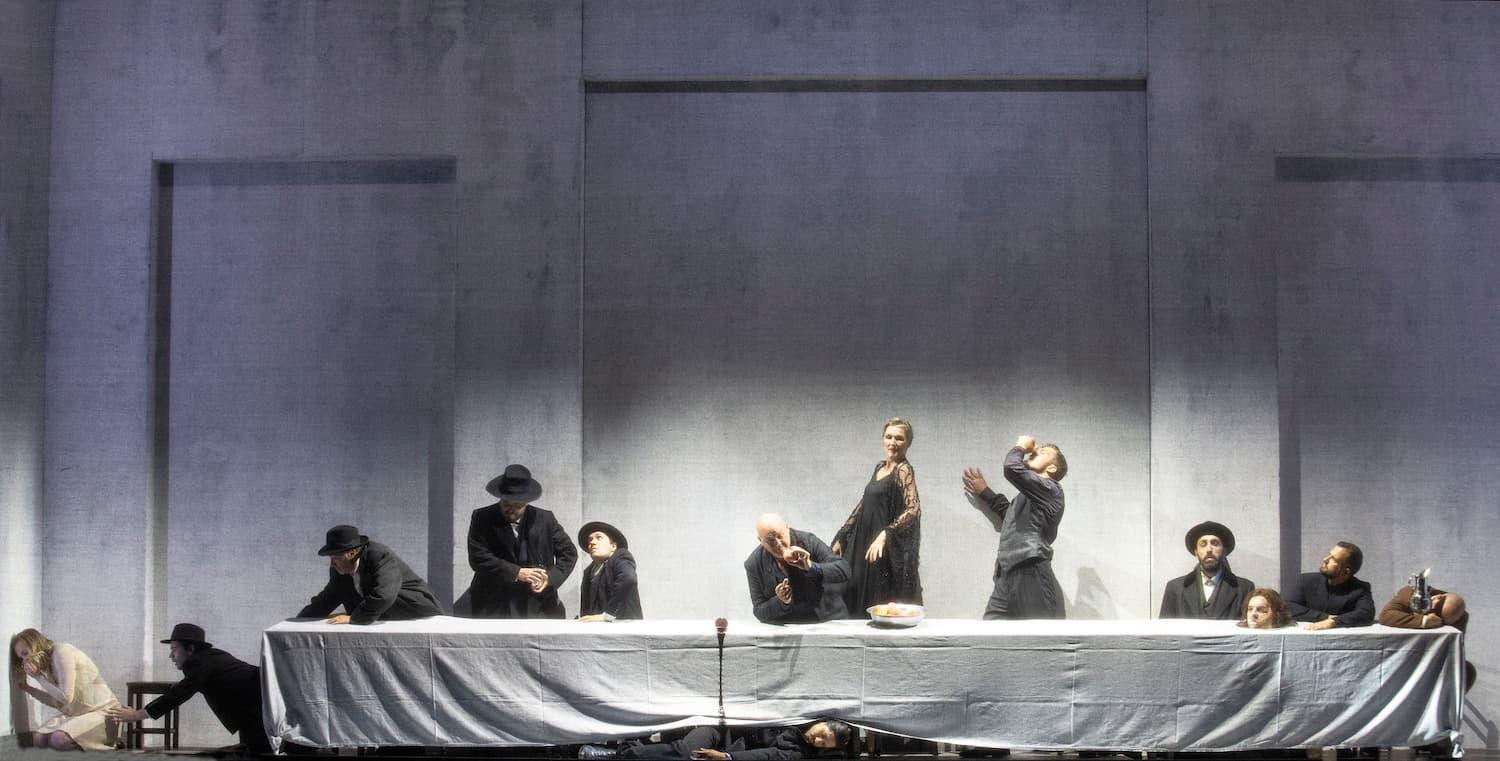
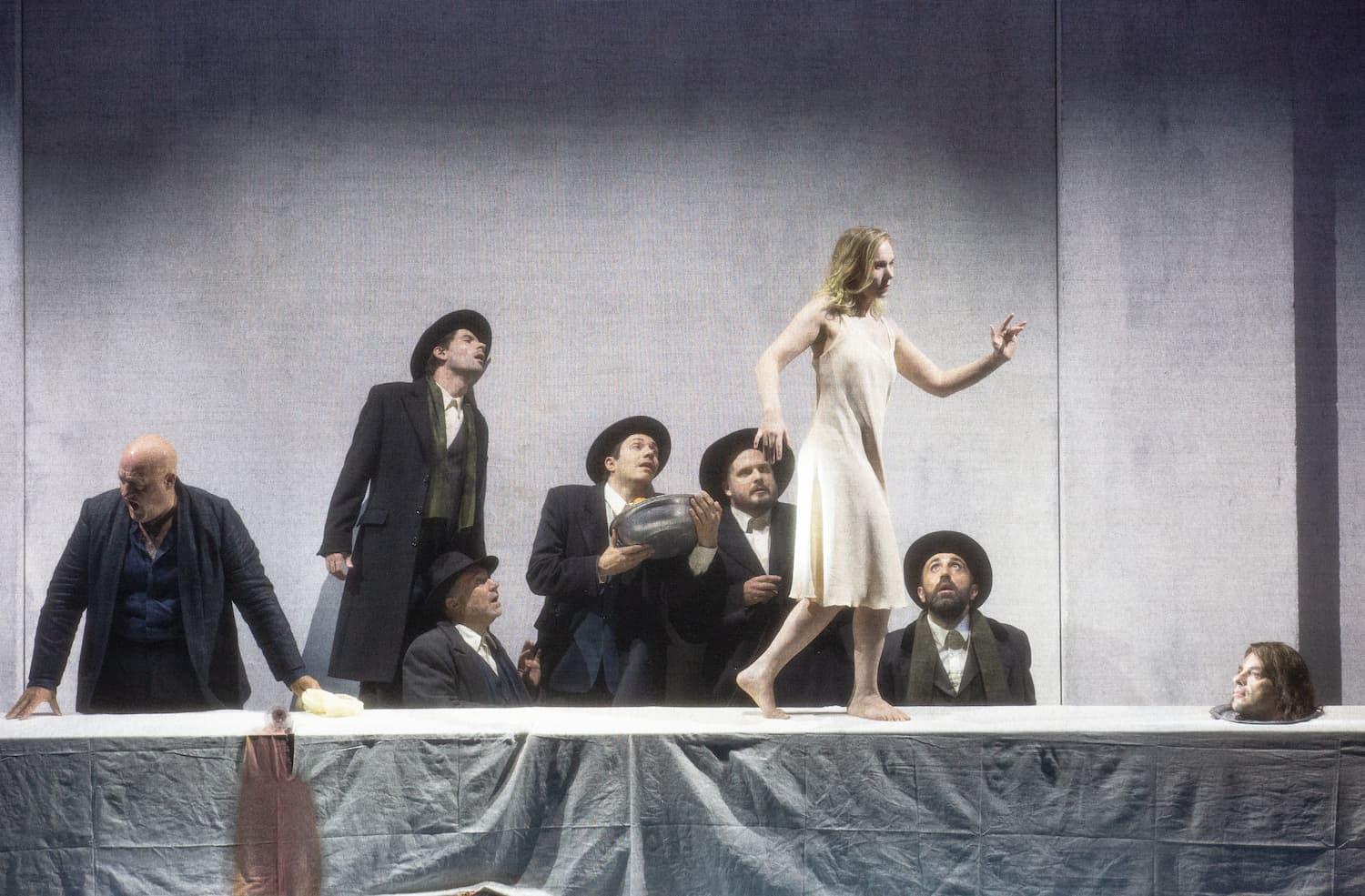
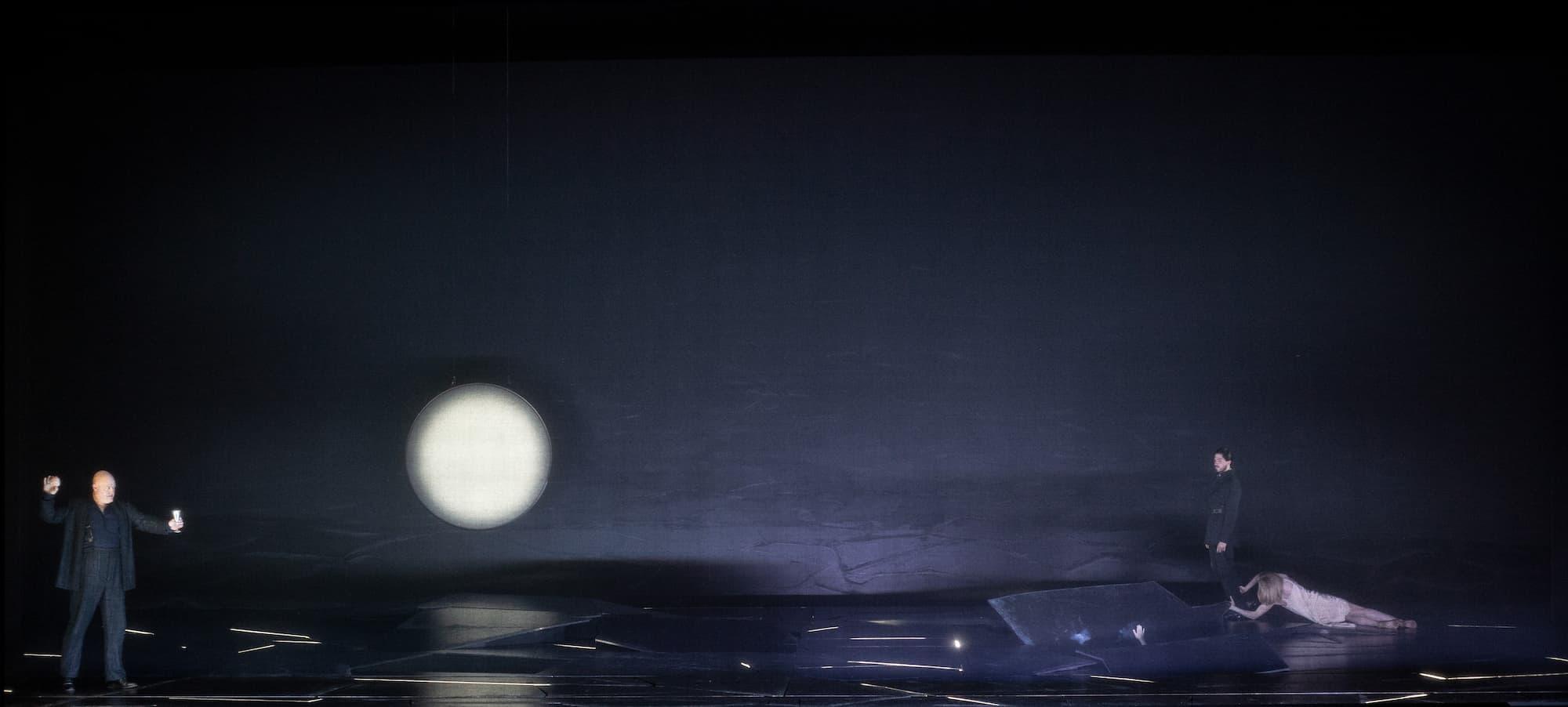
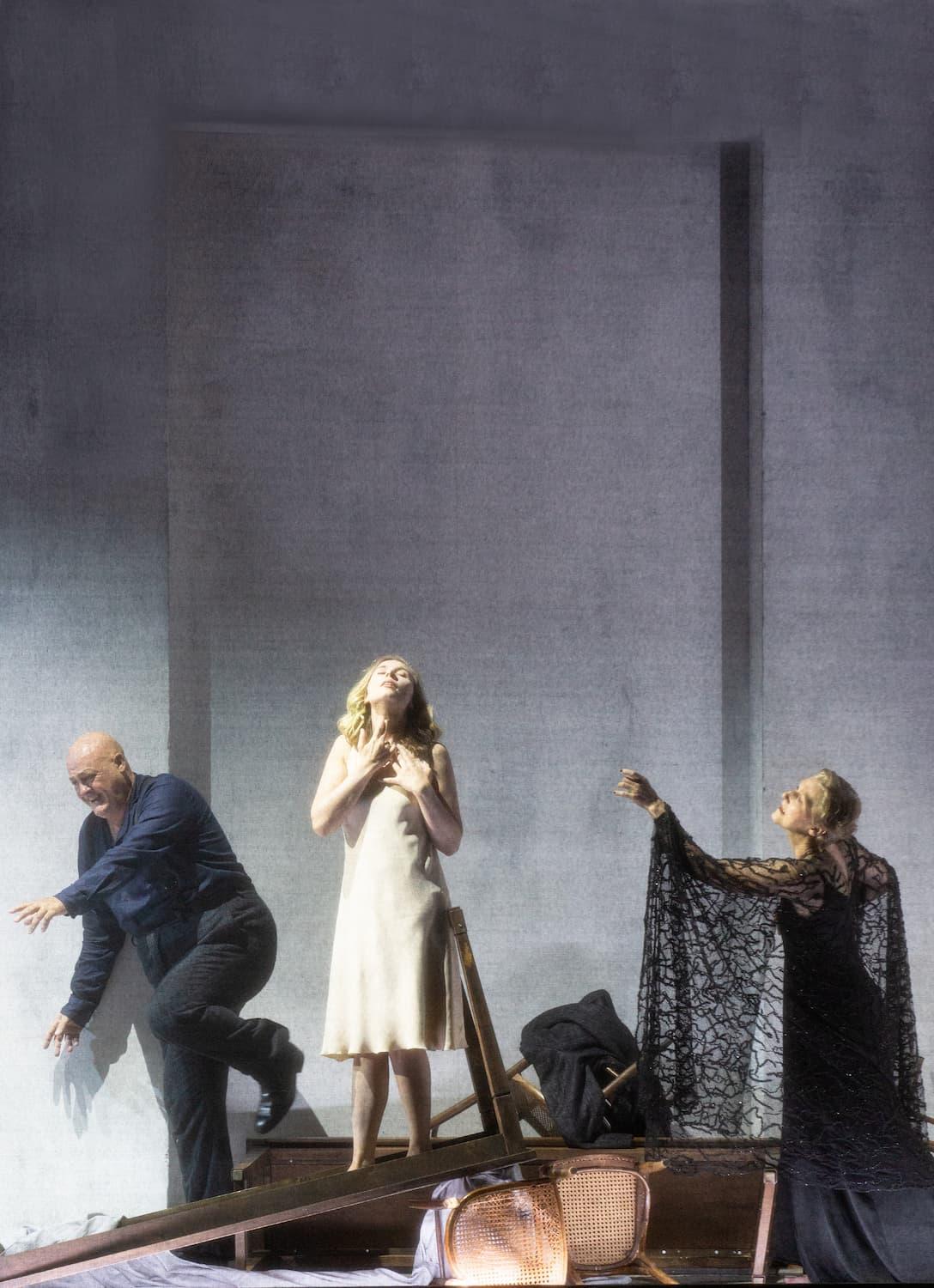
The programming of Die Frau ohne Schatten in July 2026 continues the Festival’s opening up of its repertoire to the most monumental and enigmatic works of Richard Strauss. Born of the close collaboration between the composer and his librettist Hugo von Hofmannsthal, Die Frau ohne Schatten (The Woman Without a Shadow) recounts the journey of characters in search of their humanity. Faced with the ultimatum that she must acquire a shadow within three days, the Empress of an imaginary realm discovers the cruelty of the world even as she encounters the kindness and generosity from which she may draw in order to explore every facet of human nature. Strauss’s luxuriant music sets shimmering before us the many worlds through which the characters pass in this initiatory journey, on the threshold of which Barrie Kosky invites us to embark, between phantasmagorical dream and lucid awareness. The Festival thus inscribes a new musical event in its history at the Grand Théâtre de Provence.
Anne LE BERRE
1 Claude Clément, ‘The 1963 Festival’, Les Cahiers des Amis du Festival, no. 4, March 1964
2 Claude Rostand, ‘Ariane in Aix’, Les Cahiers des Amis du Festival, no. 3, February 1963
3 Renaud Machart, ‘Elektra: Patrice Chéreau’s operatic legacy on Mezzo’, Le Monde, 20 December 2020
