Discovering the set-construction and costume-making workshops
Share
The 9th edition of Open Day in the set-construction and costume-making workshops took place on 3 March. The event included 440 participants accompanied by the Festival cultural outreach programme, Passerelles. For many, it was an opportunity to discover the world of opera, as well as the wide range of professions and expertise represented at the Festival.
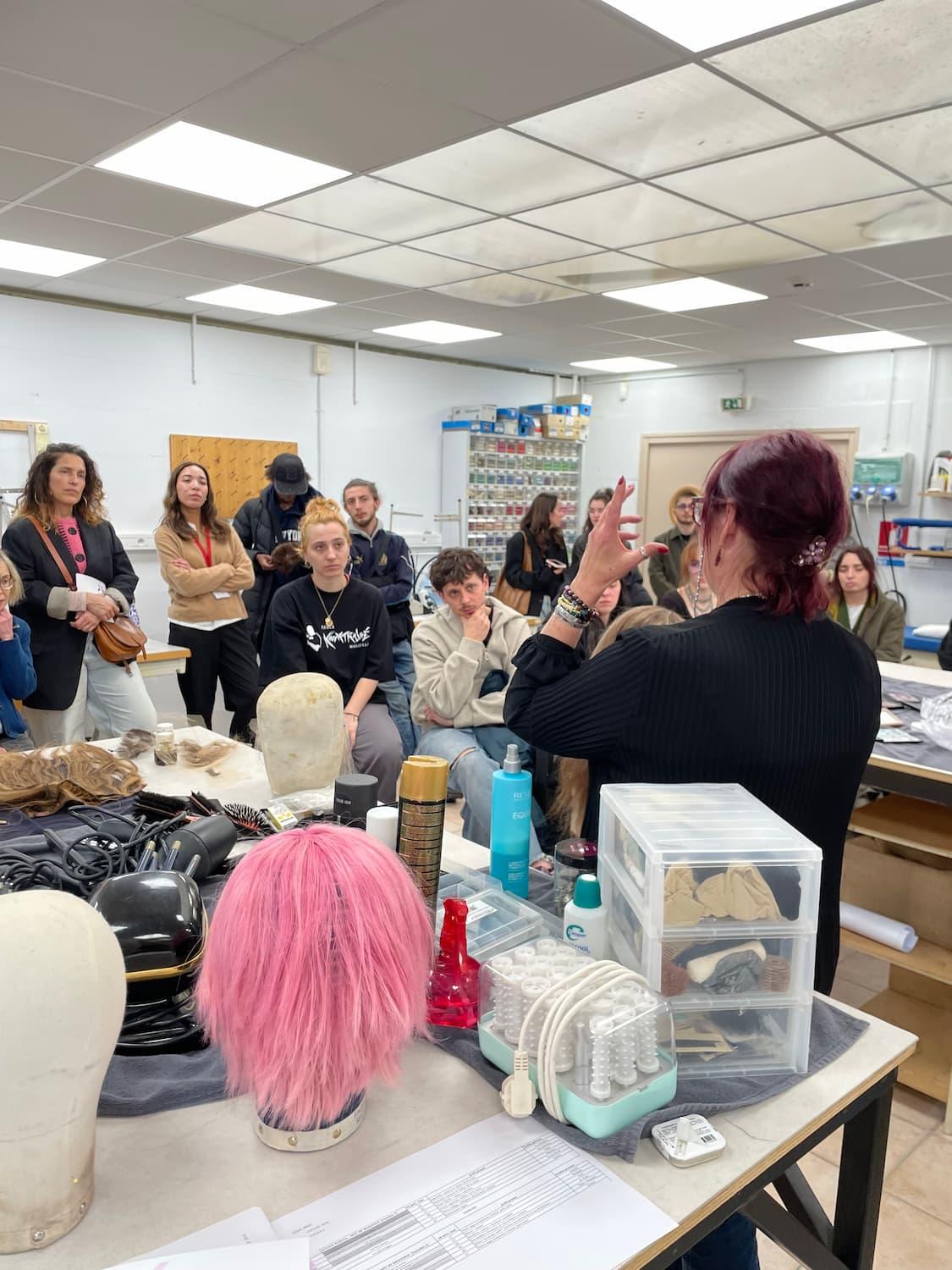
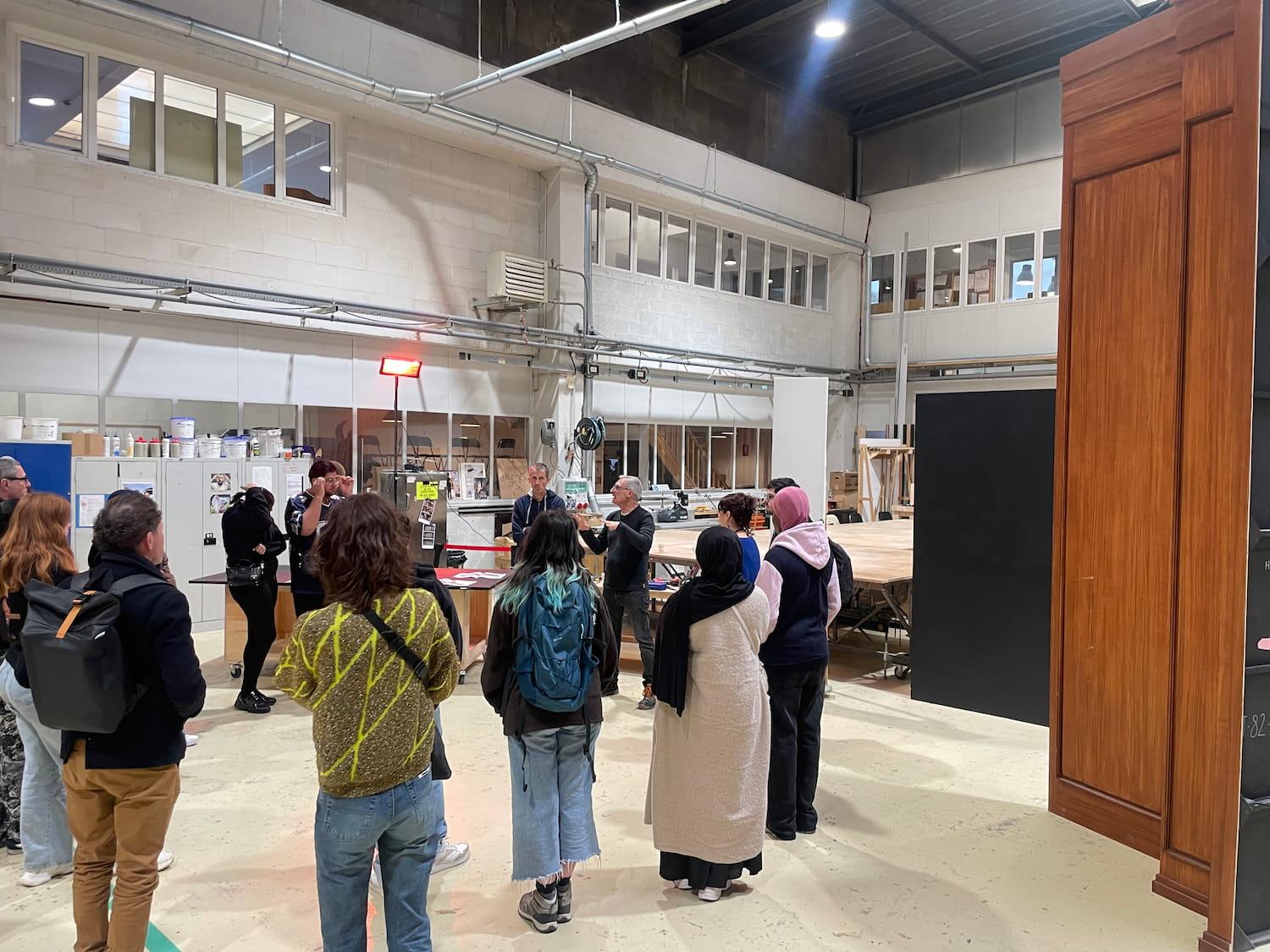
After a brief animated film that introduced the main stages in creating an opera production, the participants set off in small groups to various meeting points, to learn about design, metalwork, carpentry, machinery, lighting, sound, decor, props, costumes, video, and hair and make-up.
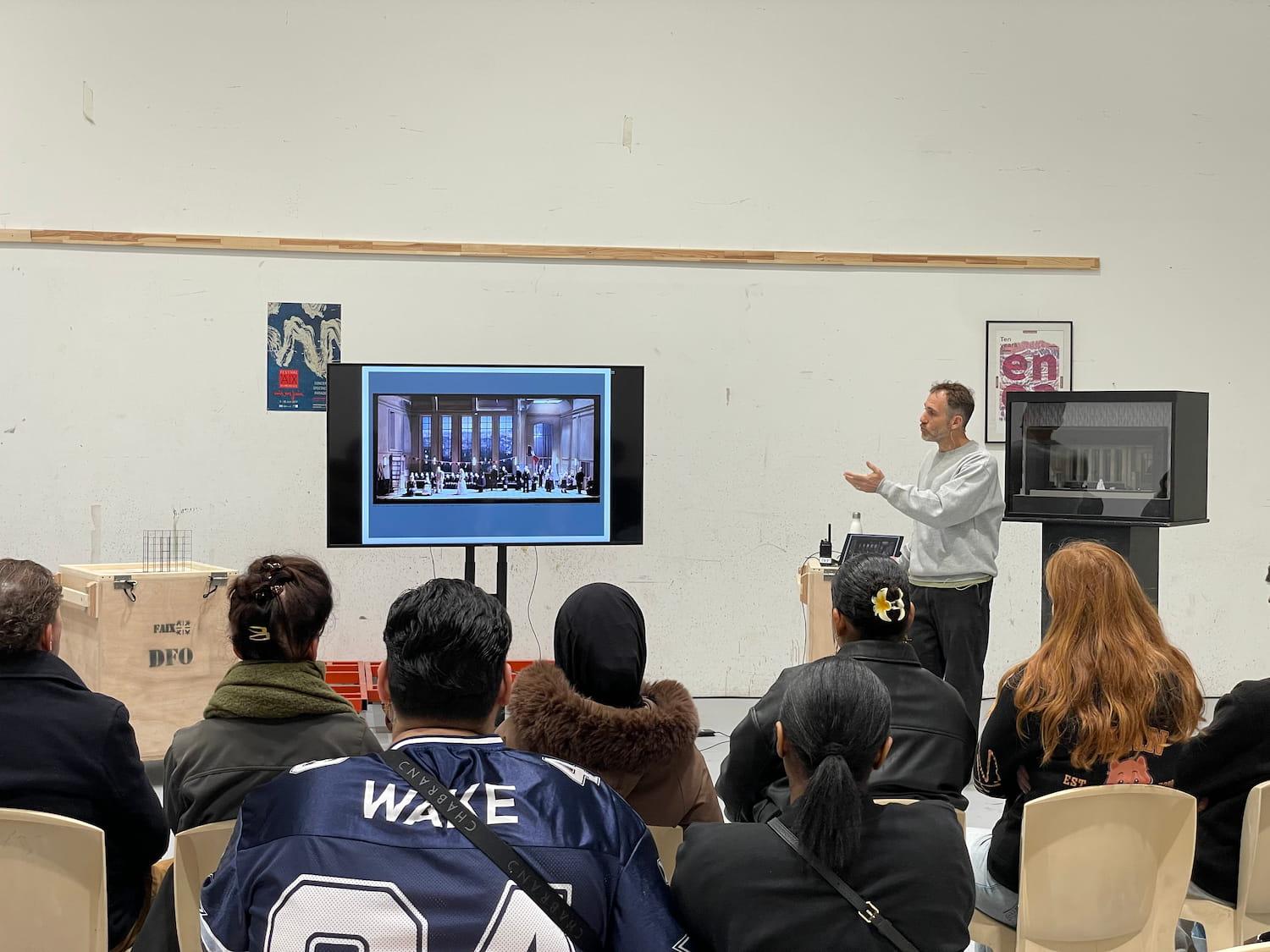
At the design office, a discussion with Frédéric Lyonnet, the Festival’s deputy technical director, served as a reminder that the Festival is one of creation: all the sets for its productions are designed in-house. The design office’s primary task is to understand the staging project and ensure that its execution remains true to the original vision. The meeting also provided an opportunity to explain the Festival’s standardised set structure project.
“Opera is one of my biggest dreams — to work in the world of opera and theatre, or even on stage. The art of opera itself!”
Tess, École de la deuxième chance
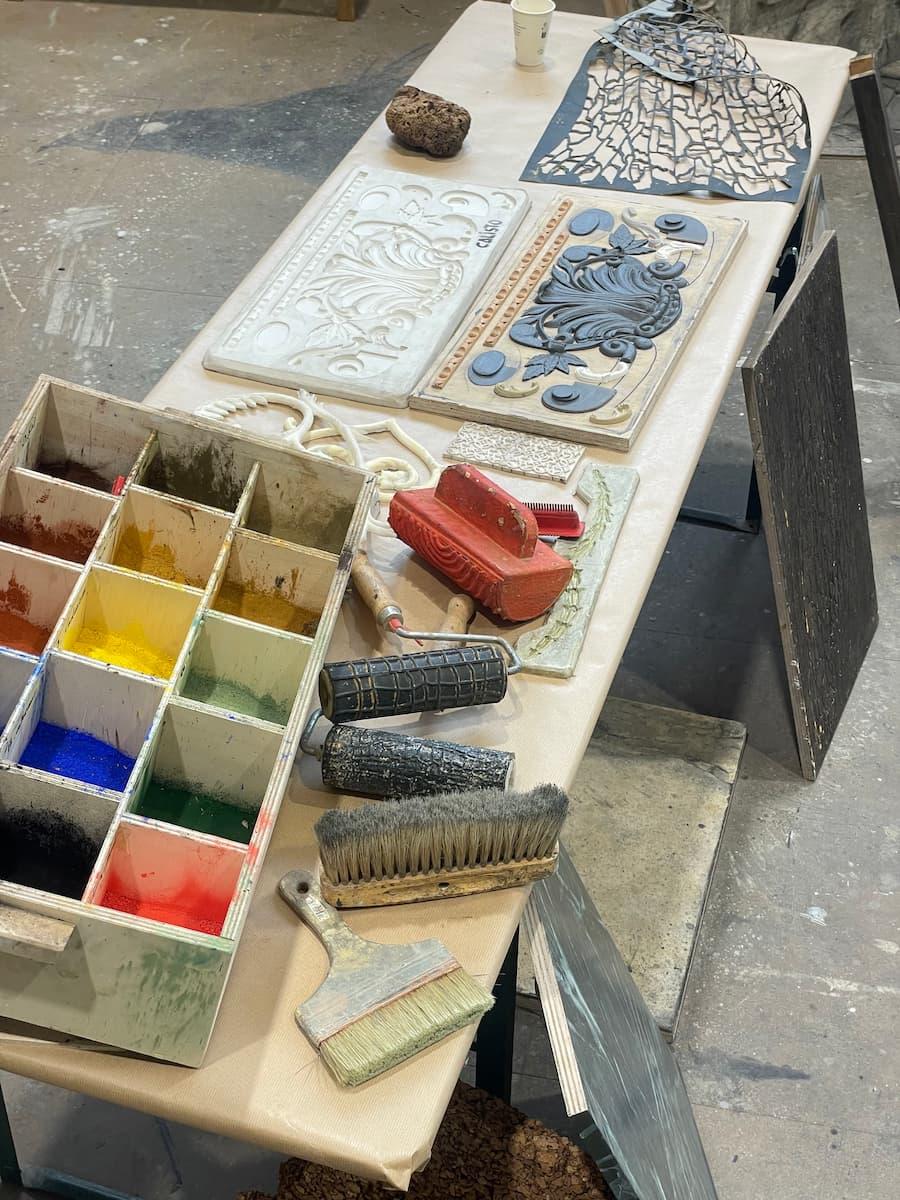
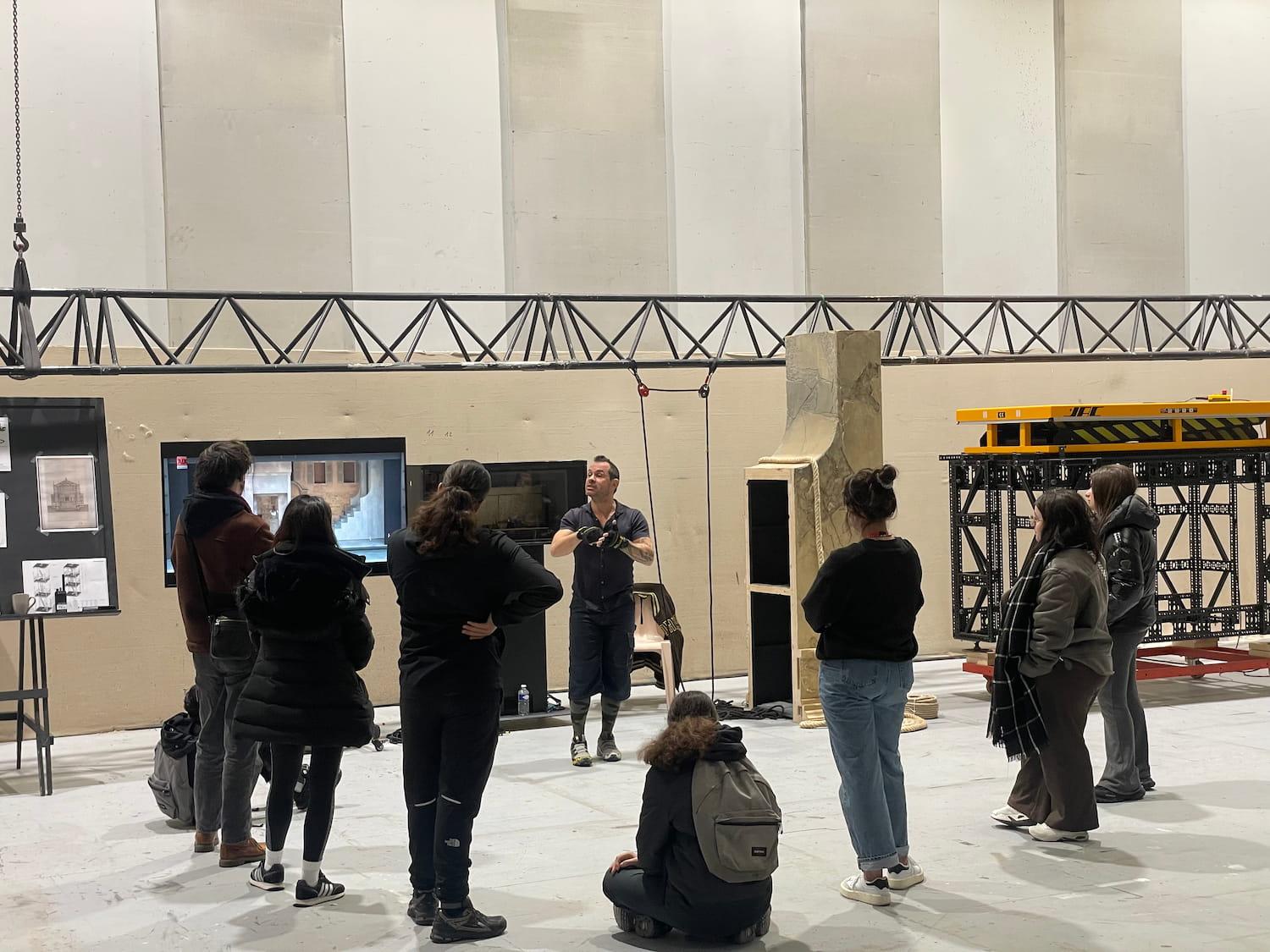
In the stage machinery department, Sofiane described the complex process of alternating the sets between two different productions at the Théâtre de l’Archevêché, while Damien, a set designer, described how he patinates objects “to give them a life”. He also explained that his work as a prop man continues right up to the performances themselves, during which he places objects within the set or deploys a staging device — such as an oven that opens and releases smoke.
“Among the speakers, there were many truly passionate people. Opera isn’t something I know much about, so it was a pleasure for me to discover it.”
Fares, École Kourtrajmé
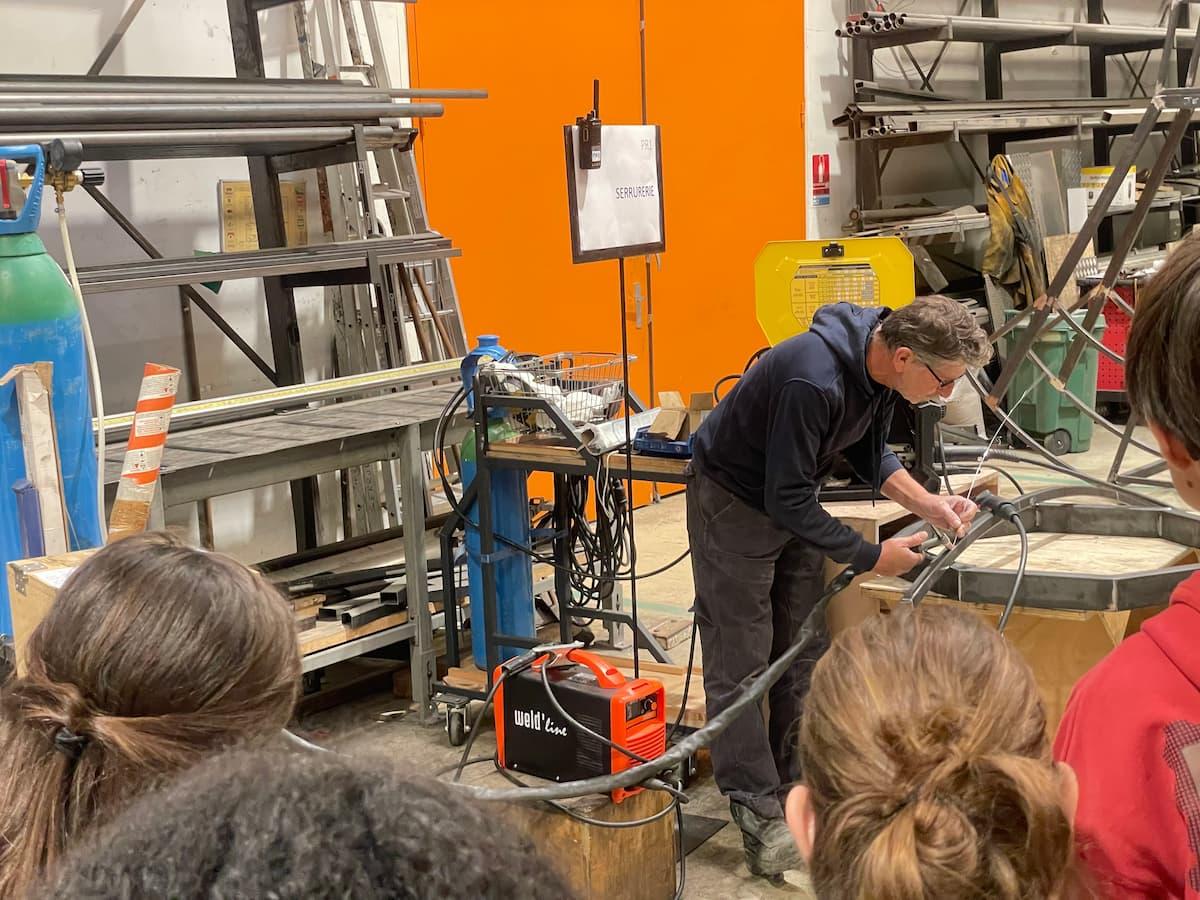
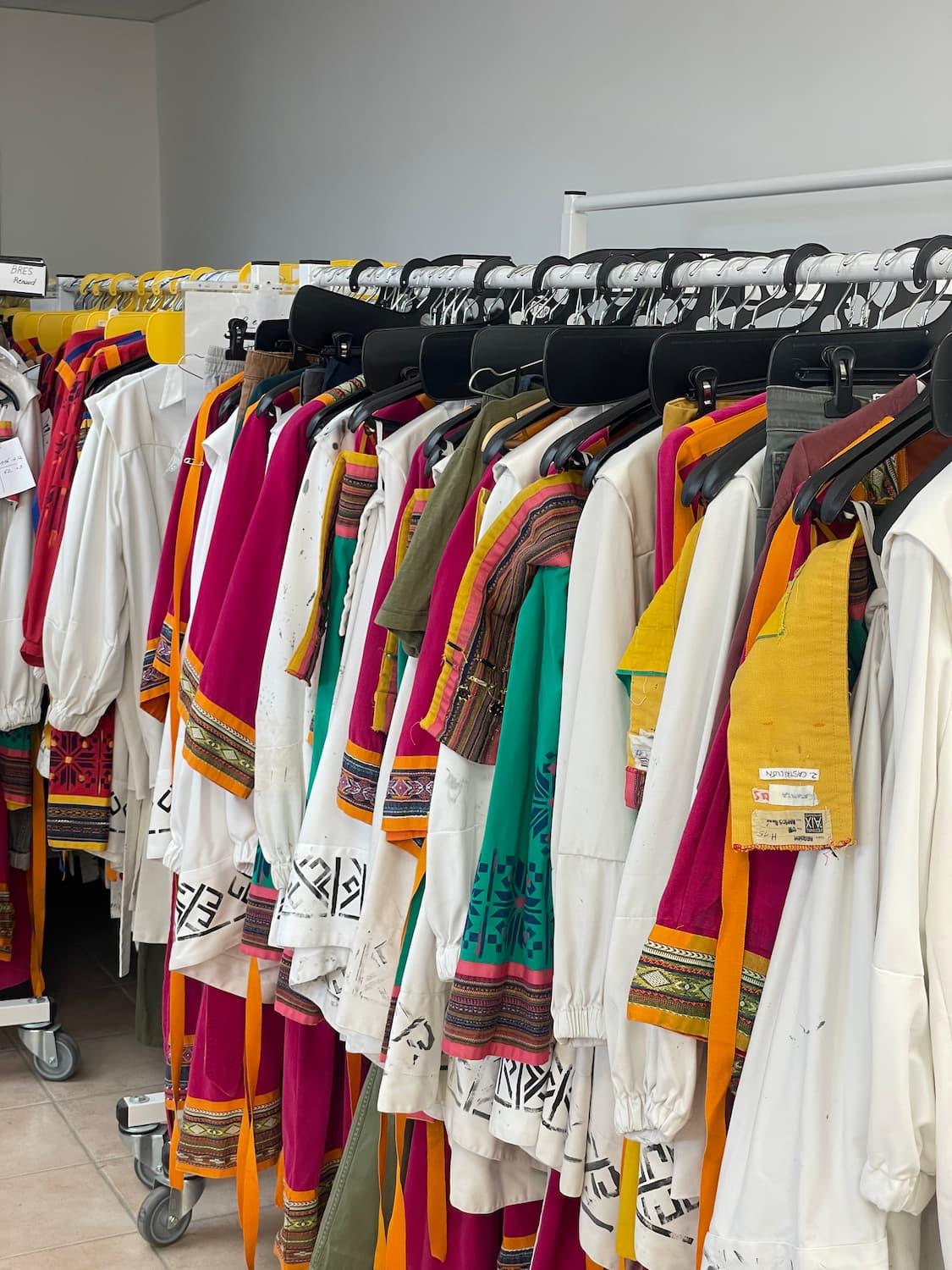
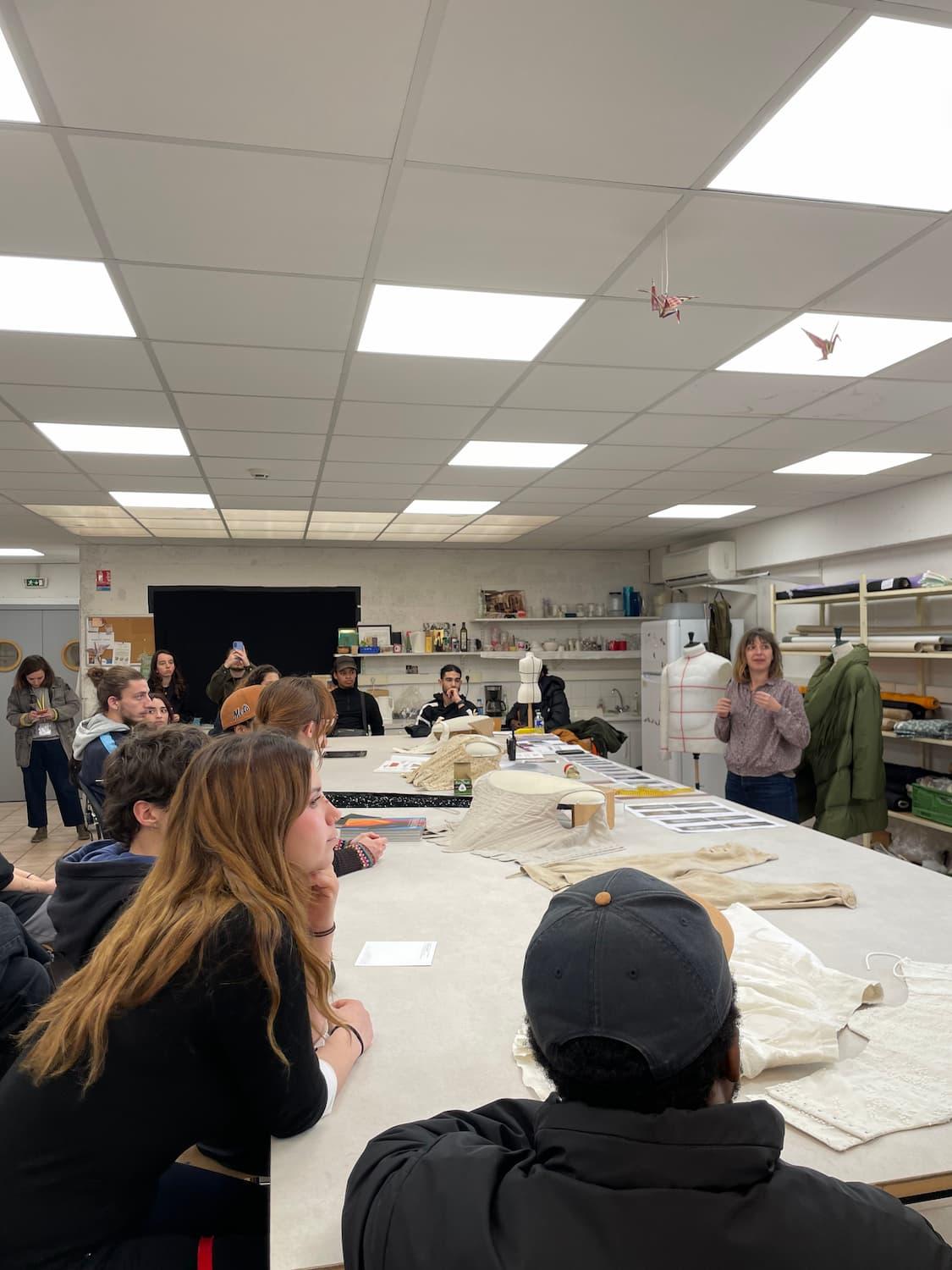
In the metal workshop, visitors discovered a massive steel rocking horse, which will next pass through the carpentry workshop followed by the decoration department to finalise its appearance. Upstairs, Coline, who has worked in the costume workshop for fourteen years, displayed a prototype of the dress for The Woman Without a Shadow, which will be performed this summer at the Grand Théâtre de Provence. She presented the full range of opera costumes, from the reproduction of an eighteenth-century gown, to a ready-to-wear garment adapted to correspond as closely as possible with the wishes and intentions of the stage director.
What struck many participants was both the large number of professions represented in the workshops and the passion expressed for each of them. This half-day visit will perhaps inspire that same passion in others, or confirm an already budding vocation, as in the case of Méryl, who hopes to become a costume designer.
“I love anything that involves making things by hand. I’d like to become a costume designer; and seeing these people at work, seeing what they’ve produced, was really interesting.”
Méryl, École Kourtrajmé